
Why I Trust (and Test) Solana Browser Wallets — A Practical Look at Phantom and Extensions
Whoa! I was fiddling with browser wallets for Solana late one night. They felt fast, but somethin’ smelled a bit off. Initially I thought speed was the whole story, but after digging into permissions, signing flows, and UX details I realized security and design are equally important. My instinct said keep the simple options; yet curiosity kept me poking around.
Seriously? Phantom popped up as my go-to choice for Solana apps. The interface felt clean and signing was simple enough. On the other hand I had to study what permissions it asked for, which dapps it interacted with, and whether private keys truly stayed local, because assumptions can be dangerous. Actually, wait—let me rephrase that; I dug through their documentation, tested on Devnet and Mainnet, and even tried tricky NFT transfers to confirm behavior before trusting anything significant with real funds.
Hmm… DeFi on Solana moves fast and fees are tiny. That speed lures you to click yes quickly too. So I forced myself to slow down and watch every signature request, noting which contracts were being authorized and whether the wallet allowed setting unlimited allowances which could be a silent disaster if left unchecked. This habit saved me from a couple of sketchy token approvals.
Here’s the thing. NFT collections involve on-chain royalties, metadata links, and sometimes unknown creators. You still need to verify contracts and storefronts carefully. Once I accidentally approved a marketplace contract that could have redirected royalties and I nearly face-palmed, though luckily my test funds were small and I caught the behavior quickly because of my manual checks. For collectors, a wallet that surfaces detailed transaction info and links to verified metadata makes a huge difference, since you don’t want to be buying fake assets or letting a sketchy escrow drain your holdings.
Wow! Usability matters more than you think when trading or minting on tight deadlines. If the extension burps during signing, you lose an auction, trust me. Design decisions like how the popup shows the destination address and the exact token amounts, whether gas adjustments are visible, and if there is a clear reject option, all influence real money outcomes and user confidence over time. I’m biased, but I prefer wallets that explain things plainly.
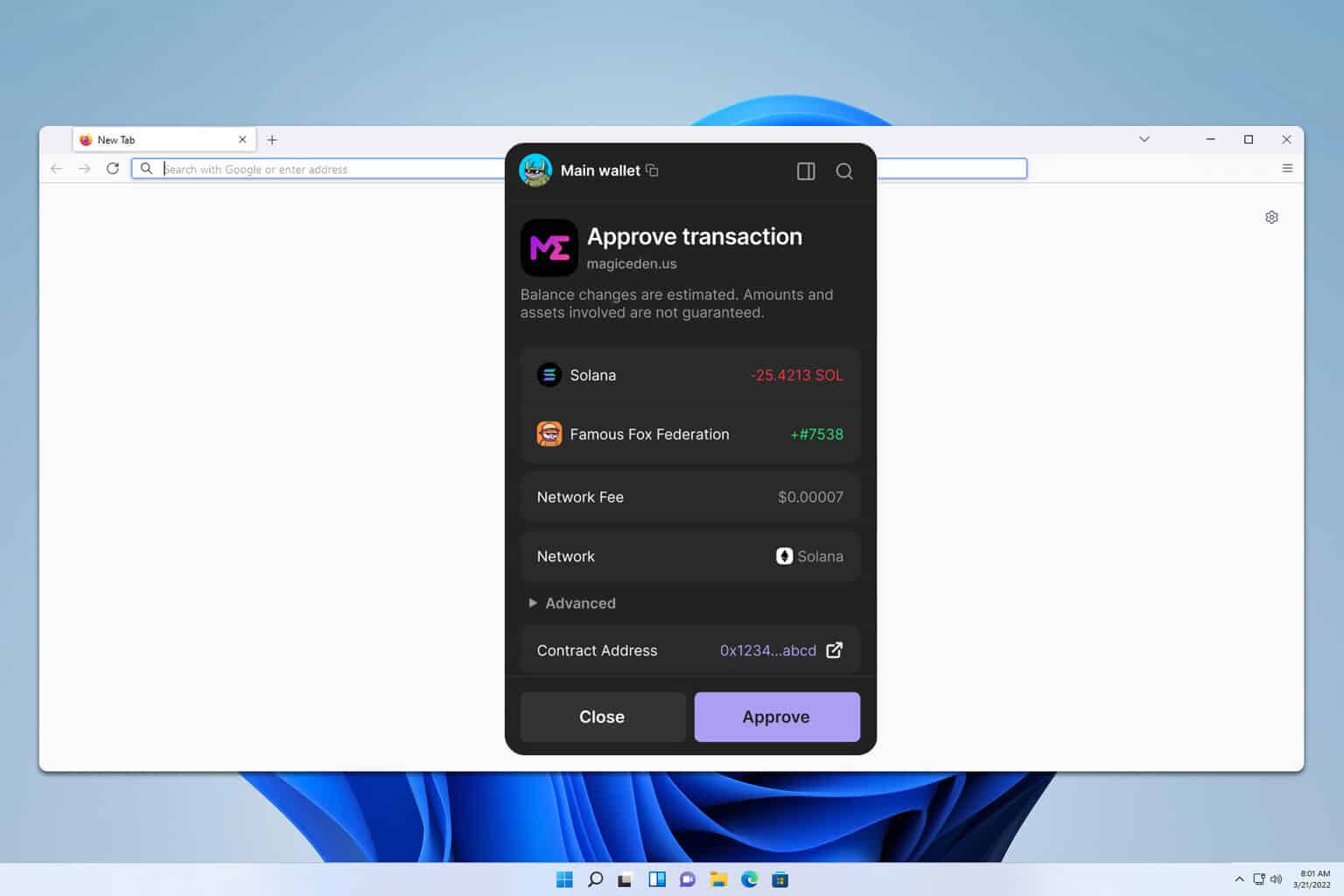
Whoa! Security features deserve attention early, not as an afterthought during onboarding. Look for hardware wallet compatibility and robust seed encryption standards. I hooked up a Ledger to Phantom to test signing flows, and noticed subtle UX mismatches that could confuse newbies so I wrote notes to their support and logged the issues. In enterprises and heavy traders, that gap matters because a mis-signed transaction or an unnoticed address mismatch can translate into real losses and long nights trying to trace coins across chains and marketplaces.
Seriously? Backup procedures are boring but vital, especially when you juggle multiple wallets and accounts. I keep a cold backup and a password manager copy. Initially I thought a single seed phrase was enough to sleep well at night, but then I realized that physical damage, theft, or simple human error mean you need redundant, geographically separated backups and tested recovery drills so you can actually restore wallets under duress. Oh, and by the way, test your recovery regularly, not just once.
Hmm… Extension permissions can be granular and should be reviewed before consenting to new dapps. Don’t allow unlimited approvals by default; set explicit per-contract limits where possible. My workflow now includes a quick permission audit after every major mint or swap where I check spending limits, verify contract addresses, and confirm that the dapp’s front-end is actually pointing at the expected API endpoints because front ends can be phished. If an extension offers rich metadata, such as named contracts, verified badges, and direct links to explorers for Solana, I treat that as a big plus since transparency reduces the chance of accidental approvals and provides better context when things look odd.
Wow! The Solana ecosystem has quirks, like cluster names and token memo behaviors. New wallets can miss NFT metadata or swap routing options. Given that, I evaluate extensions by the maturity of their integrations, community feedback, frequency of updates, and whether they maintain a public changelog, because these signals often predict how quickly a wallet will respond to exploit attempts or ecosystem shifts. I’m not 100% sure about everything, and I still learn daily.
Really? If you’re ready to try Phantom, start on Devnet. Practice sending tiny amounts before making big moves and test dapp interactions thoroughly. When I first linked Phantom to a marketplace, I used only a burner account and traced every callback URL, confirming none of the approvals tried to bypass user review or request extended permissions that were unnecessary for the transaction flow. Also, prefer official sources and verified listings when installing browser extensions to avoid spoofed pages and malicious copies. It feels tedious, but that extra five minutes saved me headaches and money later.
Where to safely get the extension
Okay, so check this out—if you want the extension, grab the official one rather than random copies. I’m biased, but official downloads reduce risk substantially. A reliable option is the phantom wallet download extension which points to a trusted distribution route rather than sketchy mirrors. This isn’t glamorous, but verifying the source is a simple habit worth repeating. Seriously, do that first before you connect any dapp.
FAQ
How do I test a wallet safely?
Use Devnet, send tiny amounts, and check every signature request before approving anything.
Is Phantom good for NFTs and DeFi?
Yes, it balances UX and security well, but you still need to audit permissions and metadata manually.

 C/ Canales, 1, 4ºF, Málaga
 952 35 99 88
 gbaabogadosmalaga@gmail.com
 Lunes - Viernes: 9:00 - 20:00