
Hardware wallets and real-world crypto safety: NFTs, seed phrases, and staking
I remember the first NFT I held—tiny pixel art with huge swagger. Whoa! You could feel the FOMO mix with pride. My instinct said that the hardware wallet would be the final, boring piece that kept the collection safe. But then reality intervened and taught me some things.
Really? The big myth is that a hardware wallet is a single silver bullet. On one hand it is—physical keys and offline signing make a huge difference—though actually that doesn’t mean you’re protected from every vector. Seed phrases, transport security, and even the way apps interact with devices matter. Here’s the thing.
NFT support seems simple until you’ll try to move a token that uses a weird standard. Hmm… Most hardware wallets sign the transaction, but the UX and the metadata handling vary widely between wallets and companion apps. If the app doesn’t display the right token info you can be unsure about what you’re approving. So yeah—check that your device and software actually show the token id and contract.
Wow! I ran into that with an early collectible where Ledger’s companion app didn’t render the rarity correctly. Initially I thought the device was at fault, but then I realized the problem was the app’s token database. Actually, wait—let me rephrase that: hardware wallets are conservative by design, they refuse to sign malformed payloads, which is good. Yet user mistakes and bad software still lead to losses.
Seriously? Backup strategy is where most smart users trip up. You write down your 24 words and tuck them away, cool. But paper degrades and people lose trust in long phrases when life gets messy. Metal backups, multiple geographically separated copies, and coupling with multisig or Shamir backups offer real resilience.
Here’s the thing. I’m biased, but I prefer a mix: a stamped metal plate in a fireproof spot plus a multisig with a trusted friend or custodian. On the other hand, not everyone wants the complexity of multisig. My instinct said start simple, then graduate to layers as your balance and appetite grow. Something felt off about the ‘write it down once and forget’ advice.
Staking while keeping keys offline is a neat trick. Whoa! Some chains let you delegate from a hardware wallet without ever exposing the private key. But the devil’s in the details: how rewards get claimed, how slashing works, and whether you need a hot key matter a lot. If you use a custodial staking service you skip the device entirely, which is faster but increases counterparty risk.
Practical notes on device compatibility and companion apps
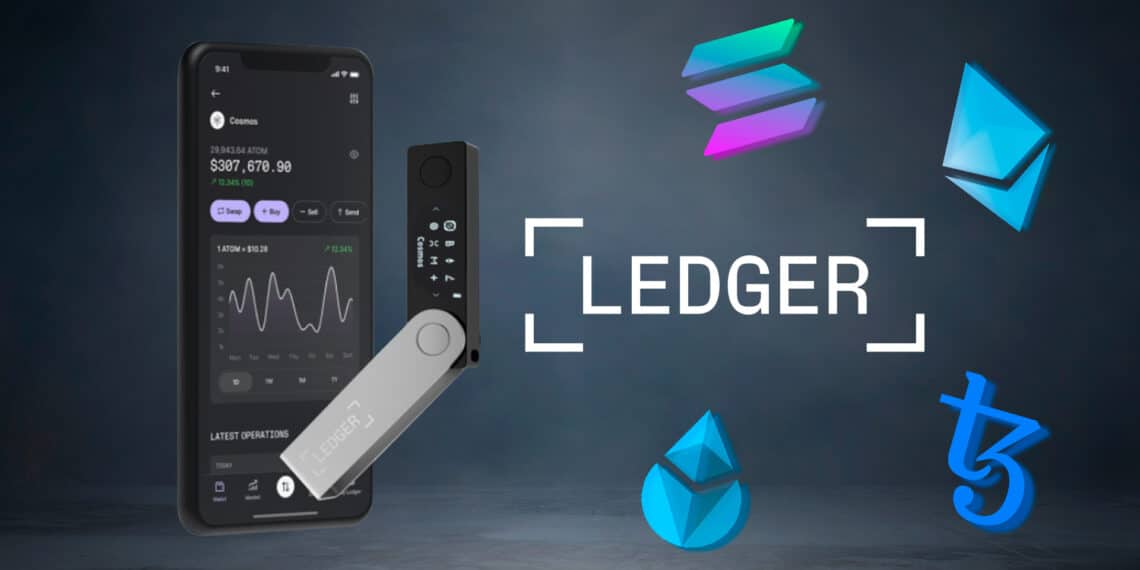
For many users the companion app is where the magic happens; it populates token lists, presents transaction details, and orchestrates staking flows, so pick one you trust. ledger live is generally clear about supported assets and staking integrations, but double-check specifics for the exact token or validator you plan to use. Some companion apps offer staking flows for several assets, smoothing the process while the device does the signing. Check commissions, validator reputations, and the unstake periods before you move tokens. Also, I’m not 100% sure about every coin, but for many networks you can rotate validators or claim rewards without exposing keys.
User experience matters more than we admit. Really? A clunky flow leads to risky shortcuts. When the app doesn’t show the full calldata, people copy-paste from forums and mistakes happen. So the rule I follow: if the UI doesn’t make the transaction transparent, don’t sign it.
Hmm… Security is a layered game and hardware wallets are a strong layer, not a silver fortress. Seed phrase hygiene, robust backups, cautious app behaviour, and careful staking choices complete the picture. I’ll be honest — this part bugs me: too many guides skip practicalities like metal corrosion, plausible deniability, or how to update a multisig schema when keys change. If you take one thing away, make it this: plan your backup, test it, and treat your device like a safety deposit box, not a toy.
Common questions from folks who want max security
Can I store NFTs safely on a hardware wallet?
Yes, but the safety depends on the full stack: device, firmware, and companion app. Ensure the wallet + app pair recognizes the token contract and displays token IDs or metadata so you see exactly what you’re approving. If something looks off, pause and research—don’t rush.
How should I back up my seed phrase?
Prefer multiple methods: at minimum, a durable metal backup and an offline duplicate in a separate location. Consider Shamir or multisig for higher-value holdings. Test recovery on a throwaway device before you rely on the backup—practice saves tears.

 C/ Canales, 1, 4ºF, Málaga
 952 35 99 88
 gbaabogadosmalaga@gmail.com
 Lunes - Viernes: 9:00 - 20:00